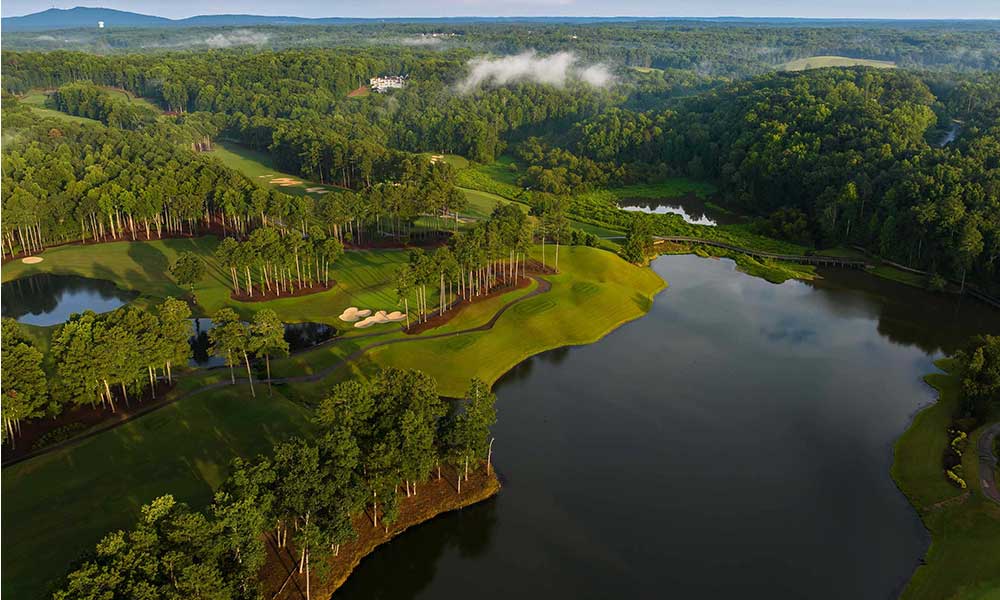
At one of Georgia’s most recognized private golf clubs, a superintendent’s focus on turf health meets an ambitious renovation designed to preserve a championship course for the next generation.
There’s something interesting happening at Hawks Ridge Golf Club in Ball Ground, Georgia, and it goes well beyond a change in ownership.
The private club, known for its Bob Cupp-designed championship course, is preparing for a major renovation that will touch nearly every part of the golf course. Greens, bunkers, fairways, tees, drainage and irrigation are all included in a project intended to modernize the property without losing the character that made it special in the first place.
For golf course superintendent James Rauhuff, the work comes after years of maintaining a course where expectations are high and Georgia’s climate doesn’t always cooperate.
And while the renovation itself is making headlines, a closer look at Rauhuff’s earlier comments about turf management provides an interesting perspective on the importance of what happens beneath the playing surface.
The Challenges Behind Beautiful Greens
Hawks Ridge opened in 1999 on 550 acres of rolling terrain north of Atlanta. Founders Mike Nixon and Joe Jillson selected architect Bob Cupp to create a course that would challenge accomplished golfers while taking advantage of the property’s natural features.
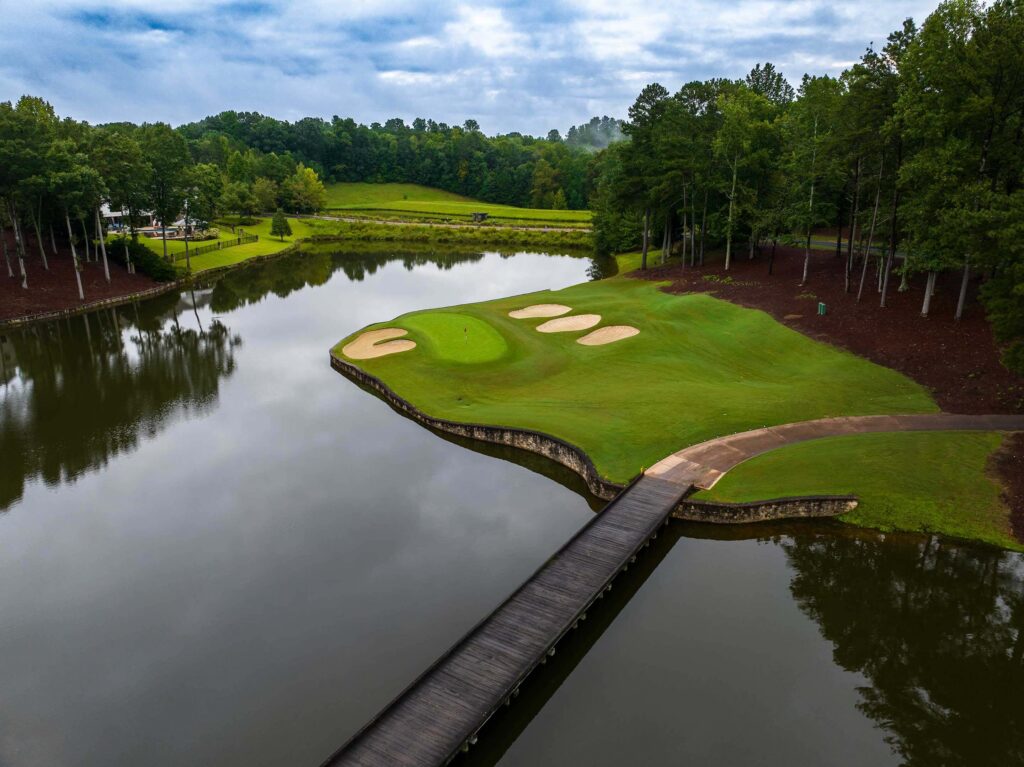
The result was a championship layout with dramatic elevation changes, towering pines, strategic water features and a waterfall at the 15th hole.
Maintaining those playing conditions, particularly the bentgrass greens, is another matter.
Georgia’s hot, humid summers can be difficult on cool-season turfgrass. Bentgrass may produce exceptional putting surfaces, but managing it through extended periods of heat and humidity requires careful attention to water, air movement, soil conditions and root health.
In July 2024, Rauhuff appeared on an episode of the Redox Grows podcast titled Improving on Excellence. The discussion offered a glimpse into his approach to maintaining the club’s aging greens.
Rather than focusing only on what golfers see, Rauhuff talked about soil chemistry, root development and creating an environment where beneficial soil microorganisms can thrive.
He credited the club’s nutrition program, which included Redox TurfRx products, with improving the condition of the greens. In the interview, he described how combining nutrition with appropriate soil chemistry, healthy roots and a favorable balance of air and water had helped improve their performance.
The podcast was produced by the product manufacturer, so those results represent Rauhuff’s reported experience rather than an independent scientific evaluation. Still, the underlying principles are familiar to superintendents working to extend the life and performance of established putting surfaces.
Healthy turf starts below the surface. Without adequate root development, proper drainage and balanced soil conditions, even the best-looking greens can struggle when environmental stresses arrive.
What’s particularly interesting now is how that earlier discussion connects with the extensive renovation planned for Hawks Ridge.
A Renovation That Goes Below the Surface
In May 2026, Escalante Golf announced its acquisition of Hawks Ridge, marking the first ownership change in the club’s history.
The company retained golf course architect Tripp Davis to develop a master plan, with the goal of protecting the original design while addressing aging infrastructure and improving playability.
The scope of the project is substantial.
According to the club’s published renovation plans, every green, bunker, fairway and tee will be rebuilt or upgraded. Improvements also include drainage systems, irrigation and water features.
One particularly important component involves the greens.
The renovation calls for replacing the accumulated organic layer in the putting surfaces and regrassing the greens. Over time, excessive organic matter can affect water movement, firmness and overall turf performance. Addressing those conditions through reconstruction can provide a more consistent foundation for future maintenance.
That doesn’t mean Rauhuff’s earlier nutrition program was unsuccessful. In fact, maintaining aging greens through careful agronomic practices and eventually rebuilding them are two very different approaches to the same long-term goal: producing healthy, reliable playing surfaces.
For superintendents, that distinction matters.
Daily maintenance practices can improve turf health and help manage existing conditions, but some infrastructure problems eventually require more extensive solutions.
The Hawks Ridge project appears designed to address both immediate playing conditions and the course’s long-term maintenance needs.
From Bermudagrass to Zoysia
Another significant change involves the fairways.
Hawks Ridge is undertaking a conversion from bermudagrass to zoysiagrass, a process that requires careful timing and preparation.
The club’s published renovation timeline began in July 2026 with the treatment of existing bermudagrass. Turf colorant was applied to help maintain the course’s appearance during the transition.
In August, the fairways were scheduled to be overseeded with ryegrass, providing a green, playable surface through the cooler months.
The main construction period is scheduled for fall 2026 through winter 2027, with the installation of new zoysiagrass planned for spring 2027 when growing conditions become favorable.
Zoysiagrass offers characteristics that can make it attractive for golf course fairways, including dense growth, wear tolerance and the potential for reduced mowing frequency, depending on the cultivar and management program.
However, establishing a new turfgrass surface across an entire golf course is no small undertaking.
Successful conversion depends on eliminating competing vegetation, preparing the growing environment, managing irrigation and allowing the new turf sufficient time to establish.
For a maintenance team, it also means adjusting management practices as the new playing surfaces mature.
While Hawks Ridge has not publicly detailed Rauhuff’s specific responsibilities during the conversion, the transition represents the kind of significant agronomic undertaking that makes major golf course renovations particularly interesting to the superintendent profession.
Preserving What Makes Hawks Ridge Special
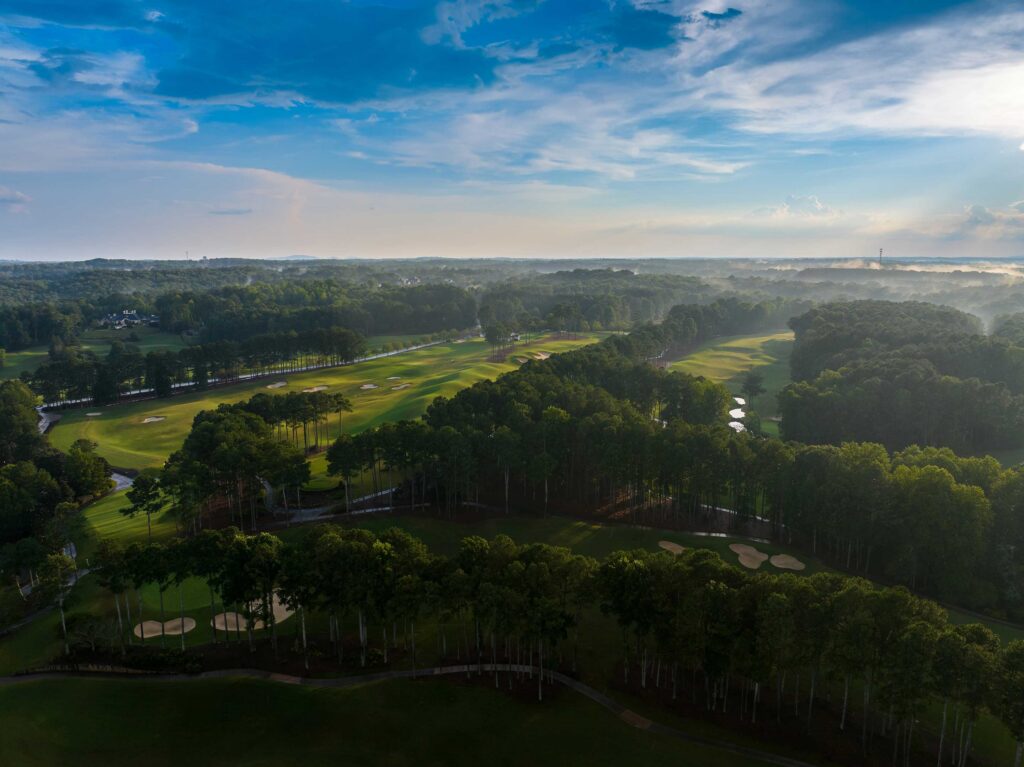
The renovation is not intended to completely redesign Hawks Ridge.
Instead, Tripp Davis‘s plan focuses on preserving Bob Cupp’s original architectural character while improving infrastructure, strategy and playability.
The club has identified holes 3, 4, 6, 13 and 18 as receiving particularly significant design attention.
Plans also include new forward tees, expanded teeing areas and restored hole locations, giving the golf staff more flexibility in setting up the course for players of different abilities.
Bunkers will receive new drainage, liners and sand, with zoysia incorporated along bunker edges.
These improvements may sound straightforward, but they have important implications for maintenance.
Better bunker drainage can reduce the labor required after heavy rainfall. Improved irrigation systems can provide greater control over water distribution. Rebuilt greens and drainage infrastructure can help address recurring conditions that might otherwise demand additional attention throughout the growing season.
In other words, the renovation isn’t simply about making the golf course look different.
It’s about improving the systems that allow it to perform.
For a club that has hosted U.S. Open final qualifying nine times, maintaining those standards is especially important.
Hawks Ridge again served as a qualifying venue in June 2026, reinforcing its reputation as a course capable of challenging some of the game’s strongest players.
A Superintendent’s Work Is Never Really Finished
One of the more interesting aspects of Rauhuff’s earlier comments is the emphasis he placed on the relationship between soil conditions and turf performance.
That perspective becomes especially relevant when looking at a renovation of this scale.
A newly constructed green or freshly installed fairway may look impressive when the work is complete, but its long-term success depends on the maintenance practices that follow.
Irrigation scheduling, nutrient management, mowing practices, cultivation and monitoring turf response all play a role in how those surfaces mature.
The first growing season after a renovation can be particularly important.
New turf must establish healthy roots, tolerate traffic and develop the characteristics needed to deliver consistent playing conditions. Maintenance programs may need to evolve as the turf becomes established and the course returns to its normal playing demands.
For Rauhuff and the Hawks Ridge maintenance team, the club’s next chapter will bring a different set of challenges from those associated with caring for the existing course.
The publicly available renovation announcements do not describe his specific involvement in the planning or construction process. However, the work ahead illustrates the close relationship between golf course architecture, construction and long-term turf management.
And Then There Are Ziva and Duke
Not everything we discovered about Rauhuff involved soil chemistry, bentgrass or construction plans.
The 2024 Redox Grows podcast also shared a story about his two German Shepherds, Ziva and Duke.
Apparently, the dogs had become familiar enough around Hawks Ridge that club members started carrying treats in their golf bags for them.
It’s a small detail, but a memorable one.
Golf course superintendents often spend their working hours behind the scenes, with much of their work completed before the first tee time. Yet the people who care for a course can become an important part of the club’s personality.
And in the case of Hawks Ridge, at least during that 2024 interview, two German Shepherds seemed to have found a way to become part of the experience as well.
Whether Ziva and Duke are still making their rounds wasn’t confirmed in the current research, but the story adds a welcome personal touch to an otherwise technical profession.
Looking Toward 2027
As Hawks Ridge moves through its renovation, the focus will eventually shift from construction to establishment and long-term conditioning.
New greens, zoysia fairways, improved bunkers and updated infrastructure will create a different maintenance environment from the one Rauhuff discussed in 2024.
But the fundamentals he emphasized then—soil health, root development and creating favorable growing conditions—will remain relevant.
The renovation also reflects a broader reality across the golf industry. Even highly regarded courses eventually face the need to update aging infrastructure, reconsider turfgrass choices and adapt maintenance practices to changing expectations.
For Hawks Ridge, the goal is to preserve the qualities that made the original Bob Cupp design successful while giving the property the infrastructure needed for years of continued play.
And for the superintendent and maintenance crew responsible for the course, the work doesn’t end when the construction equipment leaves.
In many ways, that’s when the next chapter really begins.