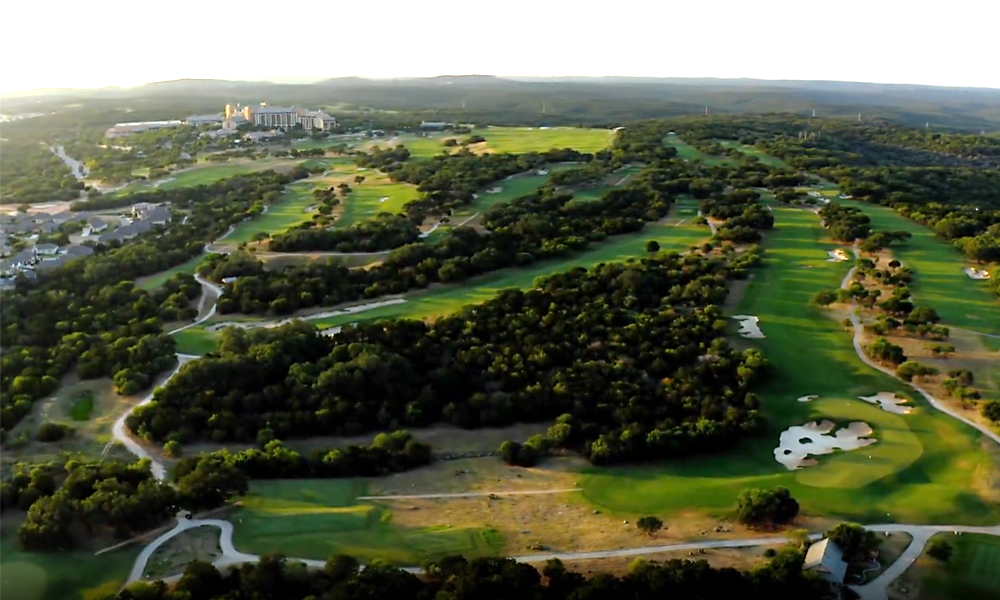
Tucked into the Texas Hill Country just north of San Antonio, the Oaks Course at TPC San Antonio offers something increasingly valuable in modern golf course design: restraint.
Yes, it hosts the Valero Texas Open each spring, but beyond that brief spotlight, the course stands as a compelling example of how thoughtful design, environmental awareness, and operational practicality can align. For golf course professionals, it’s less about tournament pedigree and more about what the course quietly demonstrates every day.

Designed to Fit the Land—Not Fight It
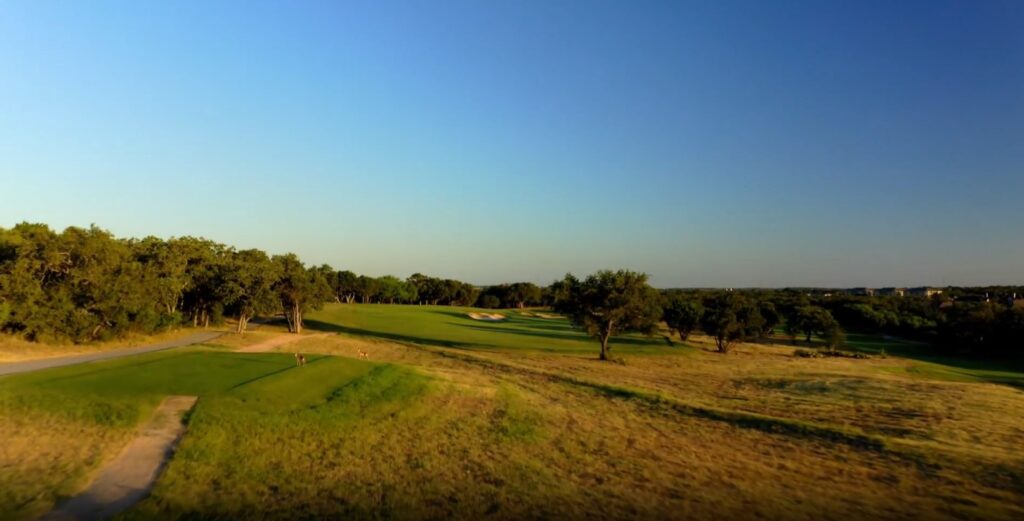
When Greg Norman, with input from Sergio Garcia, laid out the Oaks Course, the goal wasn’t to create a visually overwhelming “stadium” experience. Instead, the design leans into the natural character of the property—oak trees, native grasses, and gently rolling terrain define both the look and the play.
At just over 7,400 yards, the course has championship length, but it avoids the heavy-handed features often associated with that label. Fairways vary from tree-lined corridors to wider landing areas, offering multiple routes to the green. Importantly, there are only two forced carries across the entire layout—a detail that speaks volumes about its commitment to playability.
For operators, this is a clear reminder: strong design doesn’t require overbuilding. In fact, courses that embrace their natural setting often gain long-term advantages in both maintenance and guest experience.
Wind as Infrastructure
The most defining feature of the Oaks Course isn’t something that was built—it’s something that was left alone.
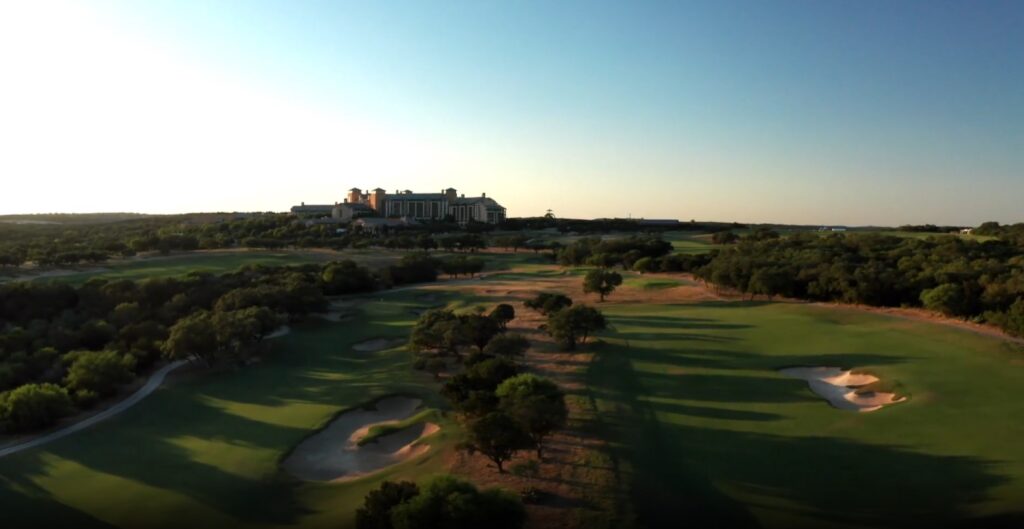
Wind plays a central role in how the course is experienced. The routing intentionally exposes players to prevailing breezes, with downhill holes often playing into the wind and uphill holes playing downwind. The result is a constantly shifting challenge that rewards adaptability and decision-making.
From a management perspective, this is an efficient kind of difficulty. Rather than relying on additional bunkering, extreme rough, or forced carries, the course uses a natural element to create variability and interest. It’s a model that reduces input costs while enhancing the playing experience—something many facilities are beginning to reconsider in today’s resource-conscious environment.
Strategic, Not Penal
The Oaks Course strikes a careful balance between challenge and accessibility.
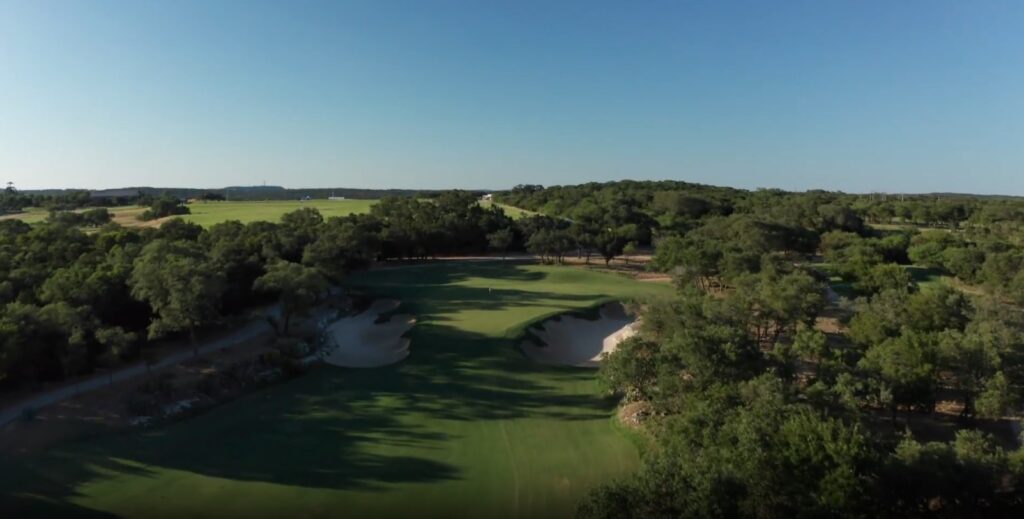
Bunkering is present, but not excessive. Edges are rugged and natural, blending into the surrounding landscape rather than standing apart from it. Fairway bunkers tend to influence positioning rather than simply punish misses, while green-side bunkers are designed to allow recovery options without removing consequence.
The greens themselves continue this theme. Subtle contouring, runoff areas, and multiple angles of approach encourage creativity. Players can choose to play aerial shots or use the ground game—an increasingly appreciated design feature as courses move away from purely target-style architecture.
This approach has practical benefits as well:
- More flexible pin placements
- Reduced turf stress from repetitive high-spin shots
- Improved pace of play through varied shot options

Built for Playability—and Operations
One of the most notable aspects of the Oaks Course is how well it balances championship standards with everyday play.
Five sets of tees make the course accessible to a wide range of golfers, while strategic design ensures that better players are still tested. This dual-purpose functionality is essential for resort and daily-fee facilities, where the same course must satisfy both serious players and recreational guests.
From an agronomic standpoint, the course reflects its environment. Native areas reduce irrigated acreage, while turf selections and seasonal overseeding support both aesthetics and performance. The broader TPC San Antonio property incorporates environmentally responsible practices, including water management systems designed to protect the Edwards Aquifer—an increasingly important consideration in regions facing water constraints.
These decisions aren’t just environmentally sound—they’re operationally smart.
Related – TPC Sawgrass: Inside the Stadium Course That Defines Modern Tournament Golf
A Destination Property with a Disciplined Core
TPC San Antonio is a dual-course facility connected to a major resort destination, with the more dramatic Canyons Course offering contrast to the Oaks’ measured, strategic style. Within that pairing, the Oaks Course serves as the more disciplined test—less about visual drama and more about execution.
That distinction matters. It shows how multi-course properties can diversify the player experience while maintaining a consistent standard of quality.
The People Behind the Conditions
Of course, design only goes so far without execution.
Maintaining the balance between firm conditions, healthy turf, and daily playability requires a coordinated effort from the agronomy team. Professionals like Braden Somerville, Assistant Golf Course Superintendent, play a key role in translating design intent into day-to-day reality—managing turf health, preparing for seasonal demands, and ensuring the course performs as intended under changing weather conditions.
It’s a reminder that even the most thoughtfully designed course depends on skilled hands to bring it to life.
Why It Matters
For golf course operators and superintendents, the Oaks Course offers a practical case study in modern course development and management.
It demonstrates that you can:
- Create a championship-caliber experience without excessive construction
- Use natural elements like wind to define play
- Balance challenge with accessibility
- Integrate sustainability into both design and operations
In an era where budgets, resources, and player expectations are all evolving, that combination is more than good design—it’s a roadmap.