Inside NMP Golf Construction’s race to rebuild Detroit Golf Club on a PGA TOUR deadline
When a golf course renovation is tied to a PGA TOUR event, the finish line is not simply the day construction ends. The course must be completed early enough for the agronomy team to establish turf, refine playing conditions and prepare for tournament week. At Detroit Golf Club, that reality compressed what Darryl Bartlett described as “10 months of work packed into five.”
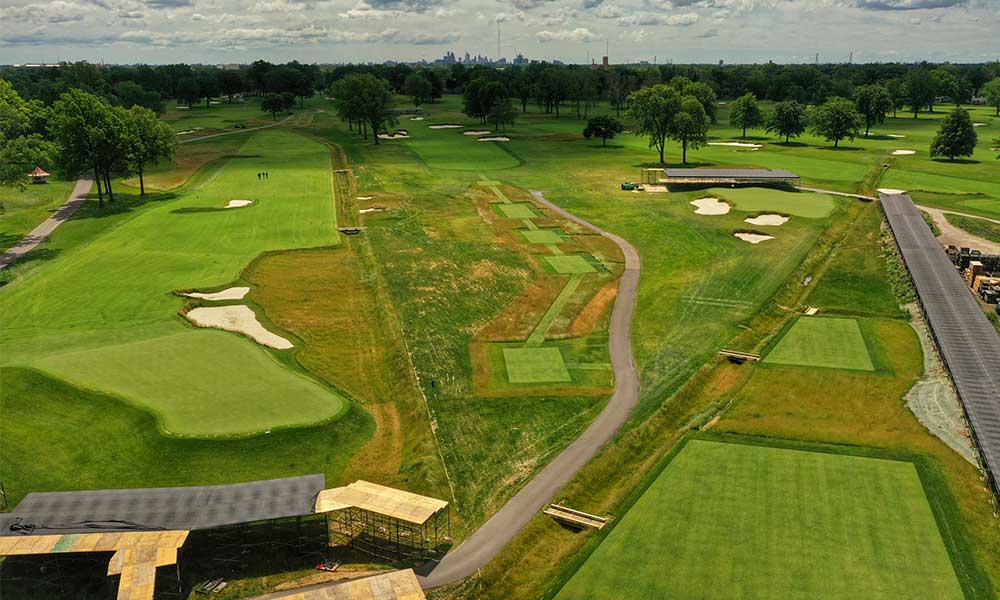
For NMP Golf Construction, delivering the North Course restoration meant treating every day as a critical-path day. Crews worked backward from the Rocket Classic, mapping milestones for drainage, irrigation, earthwork, shaping, grassing and grow-in. Work that would ordinarily unfold in sequence had to happen at the same time across different parts of the property.
A Course Divided Into Work Zones
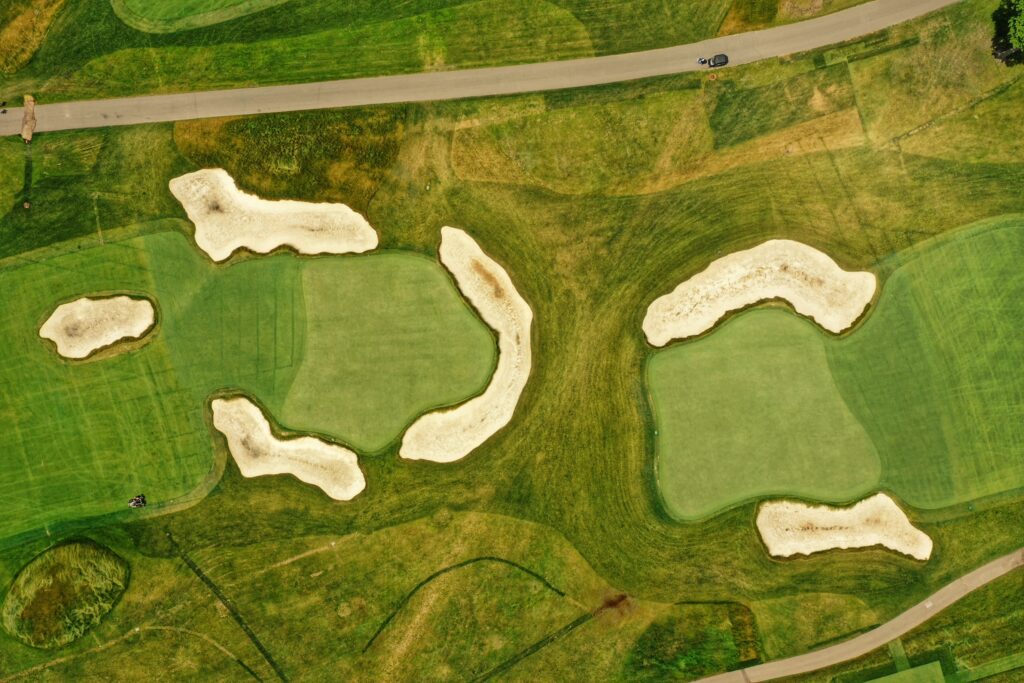
The scale of the operation was considerable. At peak activity, more than 110 people were working alongside a substantial fleet of equipment on a confined site. Major drainage, irrigation, earthwork and finish work were all underway simultaneously. One delayed operation could disrupt several others.
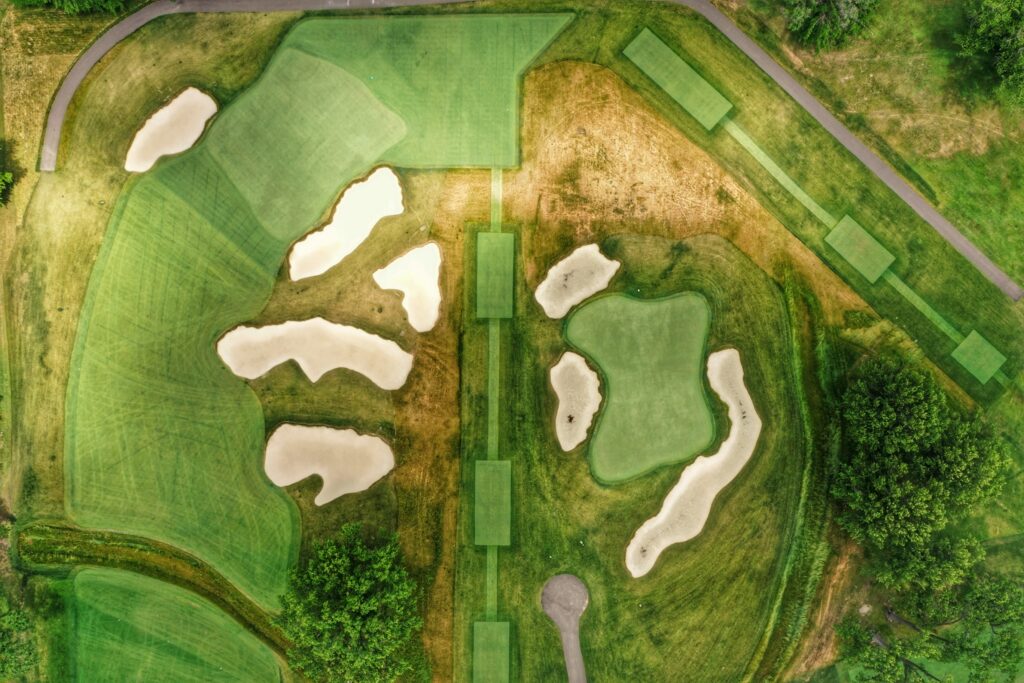
NMP divided the course into defined work zones and assigned clear leadership and responsibilities to each crew. Project managers, superintendents and foremen coordinated daily, resolving access conflicts, sequencing material deliveries and shifting labor or equipment when conditions changed.
“Everyone understood not only what they needed to accomplish that day, but also what had to happen next and which crews were depending on them,” Bartlett said.
The schedule was reviewed continually against production, weather and the needs of the crews following behind. That discipline allowed multiple phases to overlap without losing continuity across the property.
The Work 18 Feet Below the Course
Some of the most consequential work took place far below the playing surface. NMP had installed the major storm drainage and irrigation main lines during the prior phase of the project, establishing connection points for the feature and ancillary drainage completed during the main construction phase.
The elevation of the connection to Detroit’s storm water system dictated the depth of the storm pipe. From that point, the system had to maintain the minimum required pitch so designers could maximize available drainage depth at course features. Reaching the connection required excavation to 18 feet, with shoring and trench boxes used to protect the crews performing the work.
Players will never see the storm drainage network, feature drainage or complete irrigation replacement, but they will experience the results: firmer surfaces, faster recovery after rainfall, healthier turf and more consistent playing conditions throughout the season.
Precision Beneath Every Green
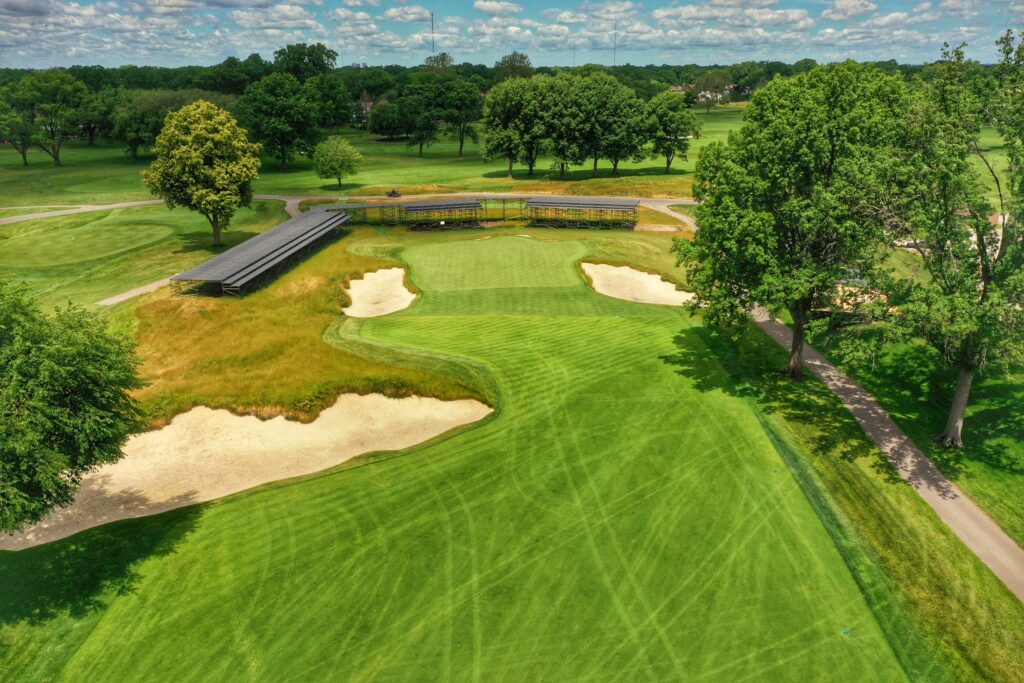
Above ground, modern surveying technology helped NMP reproduce approved contours with exacting accuracy. Once each green had been shaped to its approved elevations, the construction team scanned it with a robotic total station. The green was then cored out to receive a four-inch gravel layer and 12 inches of USGA greens mix.
“This ensured that the final elevation was a mirror image of the approved green,” Bartlett said.
Technology established control, but machinery could only take the work so far. Greens and bunkers demanded the greatest amount of handwork. Equipment formed the larger shapes; experienced craftspeople finished the contours, tie-ins, bunker edges and subtle transitions that golfers ultimately see and feel.
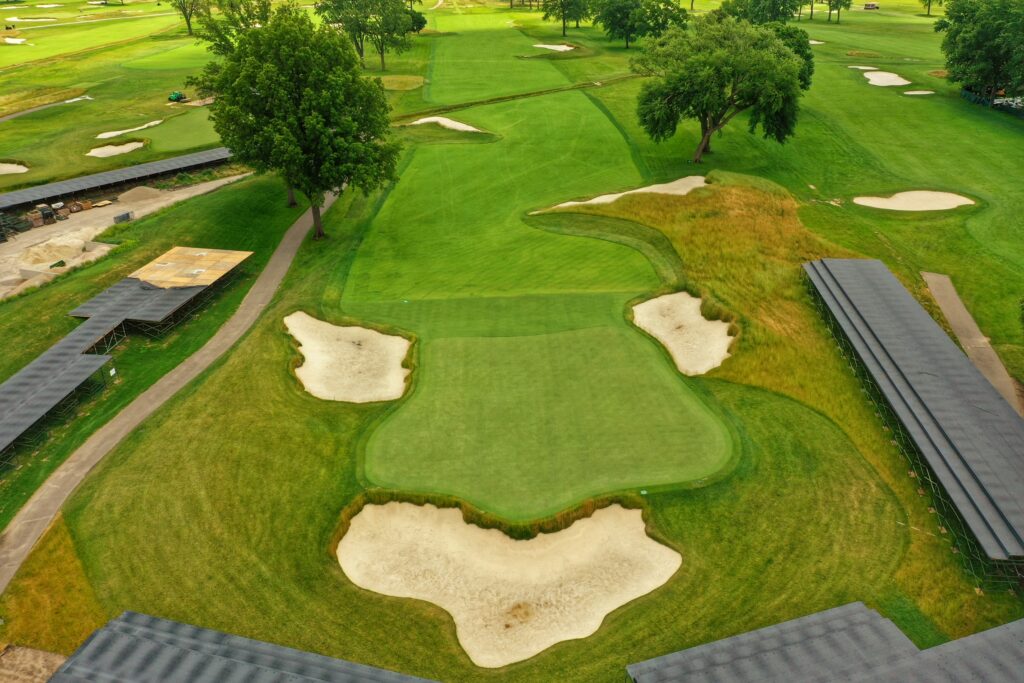
Those details were also where architect Tyler Rae’s intent had to be translated most carefully into the finished course. Although Rae did not participate in this interview, Bartlett said Rae and his team were engaged with NMP’s construction team day to day. Plans provided the framework, but many decisions were made in the field: an area could be shaped, reviewed together and adjusted immediately without sacrificing time.
Decisions at Tournament Speed
A fixed tournament date removed the option to defer difficult decisions. When an issue arose, the right people gathered, evaluated the choices and acted quickly. Speed mattered, but Bartlett emphasized that every solution still had to serve Detroit Golf Club long after tournament week.
The deadline was calculated around the time head agronomist Sam Moynihan and his team needed for establishment and grow-in—not merely around the contractor’s final day on site. That distinction kept construction decisions connected to the finished playing surface.
NMP and Rae’s team brought an established working relationship to the pressure. The firms have collaborated on several projects over roughly a decade. Bartlett acknowledged that adversity and strong emotions are part of ambitious construction work, but said the teams have learned to resolve the issue collectively and keep moving.
“At the end of the day, we shrug it off, have a laugh, and move on to the next challenge,” he said. “Having that kind of trust and working relationship truly makes the work fun.”
Related: Stone Harbor Golf Club Unveils Revitalized and Expanded Driving Range, Putting Green
A Commitment Made to Be Kept
There was no dramatic moment when Bartlett suddenly believed the course would be ready. From NMP’s perspective, the commitment itself carried that certainty.
“We never doubted we would finish on time,” he said. “At NMP, we only make commitments we know we can deliver. From day one, the NMP and Tyler Rae teams came to win—and that’s exactly what we did.”
The accomplishment, however, was larger than meeting a date. Bartlett said the team’s pride comes from delivering a project of unusual scale and complexity at an accelerated pace while maintaining its standards—from deep storm drainage and irrigation infrastructure to greens and bunkers shaped and finished by hand.
His advice to another club considering a major tournament renovation is to align the club, architect, agronomy team and contractor before the first shovel enters the ground. Everyone should understand the goals, schedule and expectations. Because challenges and changes are inevitable, experienced people who trust one another and can decide quickly are essential. The schedule must also be realistic, and commitments should be made only when the team knows it can deliver.
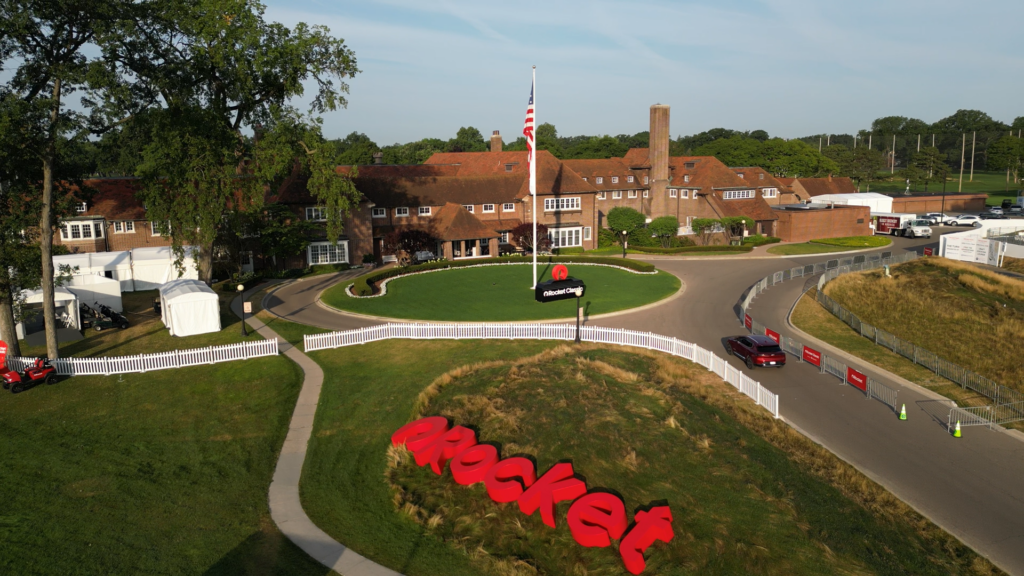
The renovated North Course was ready when the Rocket Classic arrived, revealing restored Donald Ross character to players and spectators. Beneath those visible features lies the infrastructure, coordination and craftsmanship that made the transformation possible.
Looking five or 10 years ahead, Bartlett hopes the verdict is simple: “We got it right.” That, he said, would mean the team respected Detroit Golf Club’s history, brought the architectural vision to life and built something that will stand the test of time.